
Cycling is more than just a way to get from point A to point B or a means of staying fit—it’s an experience. When your bike fits you well, riding feels smooth, efficient, and enjoyable. When it doesn’t, even short rides can become uncomfortable or painful. One of the most commonly overlooked yet critically important aspects of bike setup is saddle height.
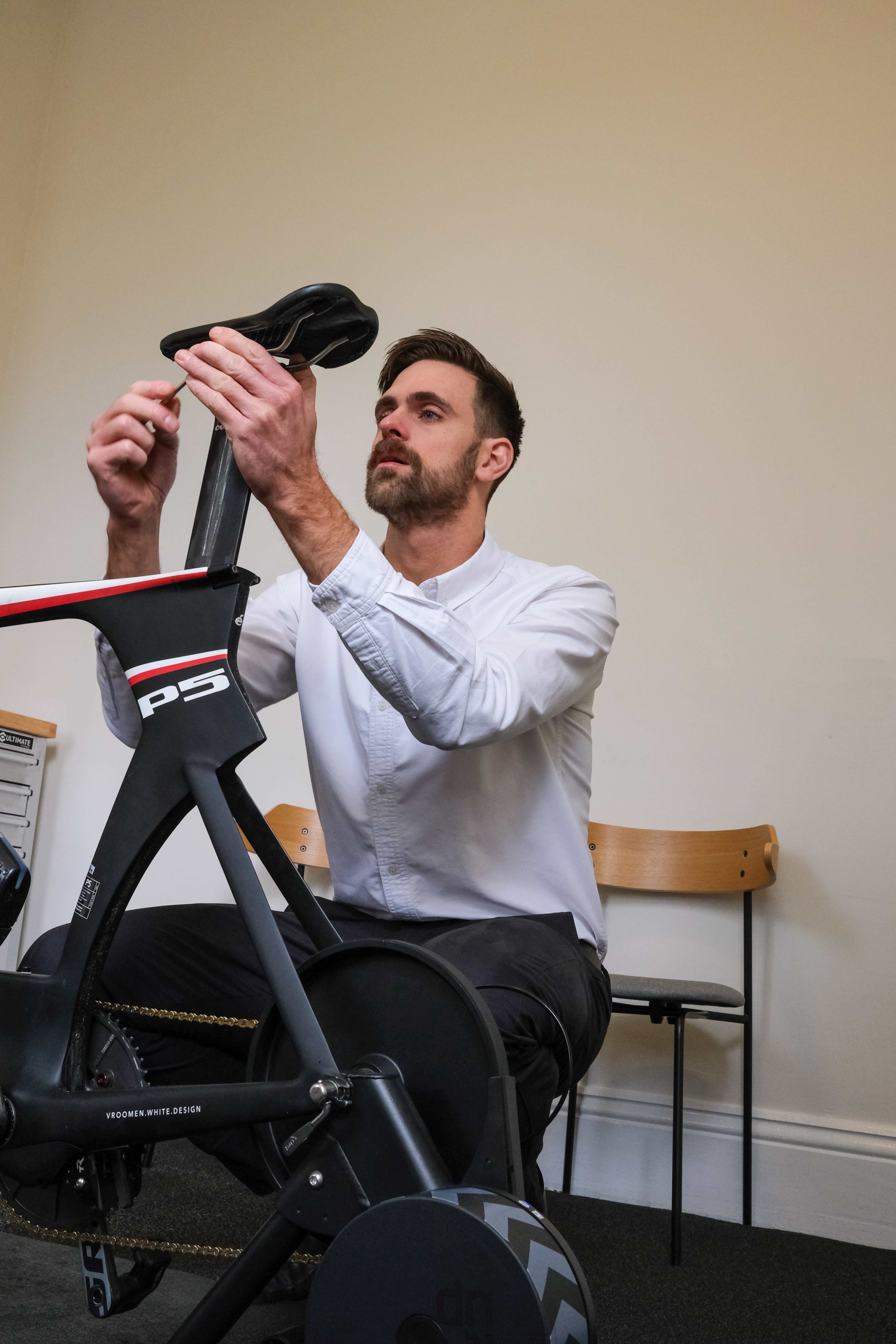
Cycling is more than just a way to get from point A to point B or a means of staying fit—it’s an experience. When your bike fits you well, riding feels smooth, efficient, and enjoyable. When it doesn’t, even short rides can become uncomfortable or painful. One of the most commonly overlooked yet critically important aspects of bike setup is saddle height.
Choosing the correct saddle height isn’t about looks or copying a pro rider’s setup. It directly affects how your body moves on the bike, how efficiently you produce power, and how much stress is placed on your joints and soft tissues. In this blog, we’ll explore what saddle height really influences, how to find the right height for your body, and why getting it right can transform your cycling experience.
The saddle is your main point of contact with the bike, supporting a significant portion of your body weight. Because of this, its height has a major influence on how forces are transferred through your legs, hips, and lower back.
An incorrect saddle height can lead to:
A correct saddle height, on the other hand, allows your body to move naturally and efficiently throughout the pedal stroke.
At the bottom of the pedal stroke (when the crank is at the 6 o’clock position), your leg should be almost fully extended, with a slight bend at the knee. This small bend is essential—it allows your muscles and joints to absorb load safely while still generating maximum power.
If your saddle is too high, your hips may rock side to side as you pedal. This movement is inefficient and often leads to lower back discomfort, saddle sores, or hip pain. A correct saddle height helps keep the pelvis stable, allowing power to be delivered smoothly through the pedals.
Proper saddle height helps distribute your weight appropriately between the saddle, pedals, and handlebars. When the height is wrong, you may experience:
Comfort is not a luxury—it’s essential for consistent riding and long-term enjoyment.
Saddle height plays a crucial role in how effectively you apply force through the pedals. When set correctly, your muscles can work through their optimal range of motion, improving cadence control and reducing wasted energy.
There is no single “perfect” number that works for everyone. Your ideal saddle height depends on your leg length, flexibility, riding style, cleat position, and even the type of cycling you do. However, the following methods provide useful starting points.
This is a simple method to establish a baseline.
How to do it:
Your leg should be fully extended without your hips rocking. When you switch back to pedalling with the ball of your foot, this typically results in the correct slight knee bend.
This method focuses on knee bend at the bottom of the pedal stroke.
This range balances power production, comfort, and injury risk.
This is a more precise approach used by bike fit professionals.
One of the first things riders notice after correcting saddle height is improved comfort. Reduced pressure, less muscle tightness, and fewer niggling aches make riding more enjoyable—especially on longer rides.
When your saddle height allows optimal muscle engagement, you can generate more power with less effort. This translates into:
Incorrect saddle height is a common contributor to overuse injuries, including:
A properly adjusted saddle helps protect joints and soft tissues, supporting long-term, pain-free cycling.
Correct saddle height encourages a more balanced pedal stroke, engaging the glutes, quadriceps, hamstrings, and calves in harmony. This improves efficiency and reduces the likelihood of muscle imbalances.
When your body is positioned correctly, you feel more stable on the bike—particularly when climbing, descending, or riding out of the saddle. This improved control boosts confidence and overall performance.
No two cyclists are the same. Saddle height should reflect your anatomy, flexibility, injury history, and cycling goals. Fine-tuning this one variable can make your bike feel like it was built specifically for you.
While DIY methods are helpful, they don’t account for the full complexity of human movement. A professional bike fit goes beyond saddle height alone, assessing:
This holistic approach ensures your saddle height works with your body, not against it.
Saddle height may seem like a small detail, but its impact on comfort, performance, and injury prevention is enormous. Getting it right can be the difference between enduring rides and truly enjoying them.
Take the time to experiment, listen to your body, and make small, incremental adjustments. If discomfort or inefficiency persists, consider professional guidance. The right saddle height isn’t just a measurement—it’s a foundation for better riding, greater confidence, and a more rewarding cycling journey.
Please click book online to make an appointment.
If you have any questions or feedback, feel free to fill out the form, call or send an email to admin@forwardbikefit.au
We would love to hear from you!
📍 29 Stubbs Street, Kensington, Victoria 3031

